





The new ISO 24896:2026 standard establishes, for the first time, international requirements for the notation used in business reports, dashboards, and presentations. Its publication coincides with the launch of IBCS 2.0, the new version of the international framework for business communication.
Santiago de Compostela, June 2026.
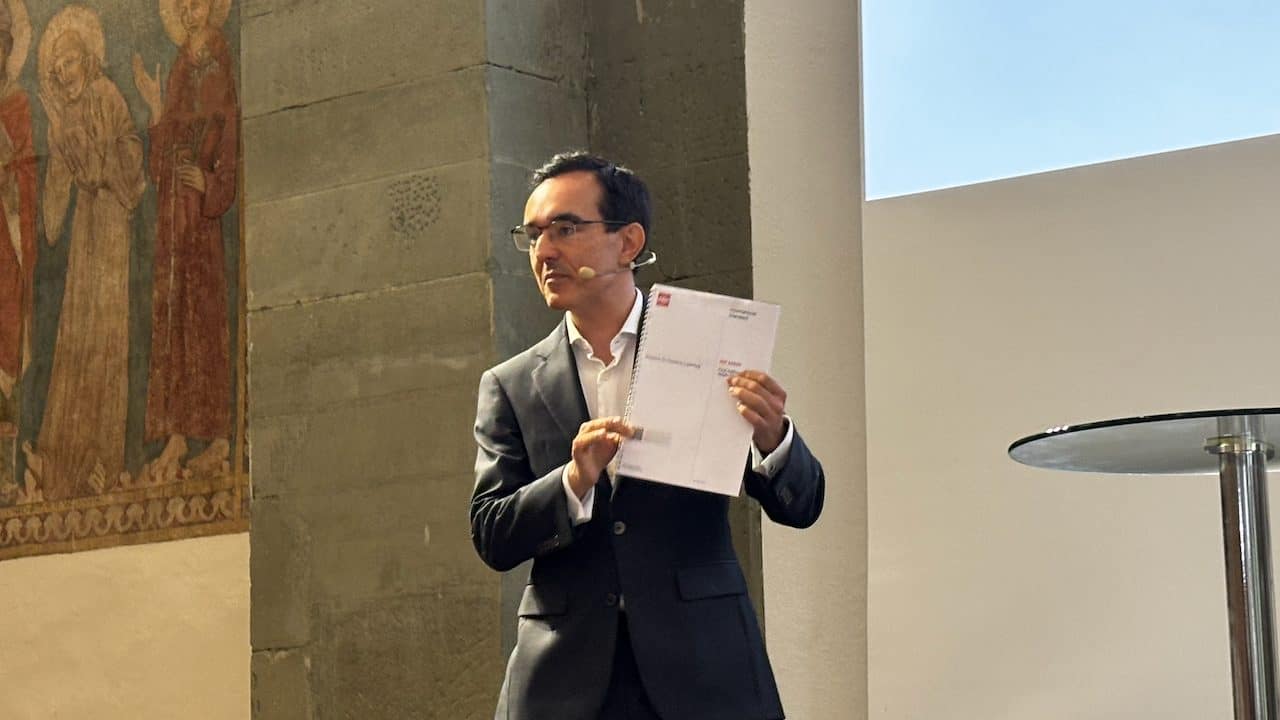
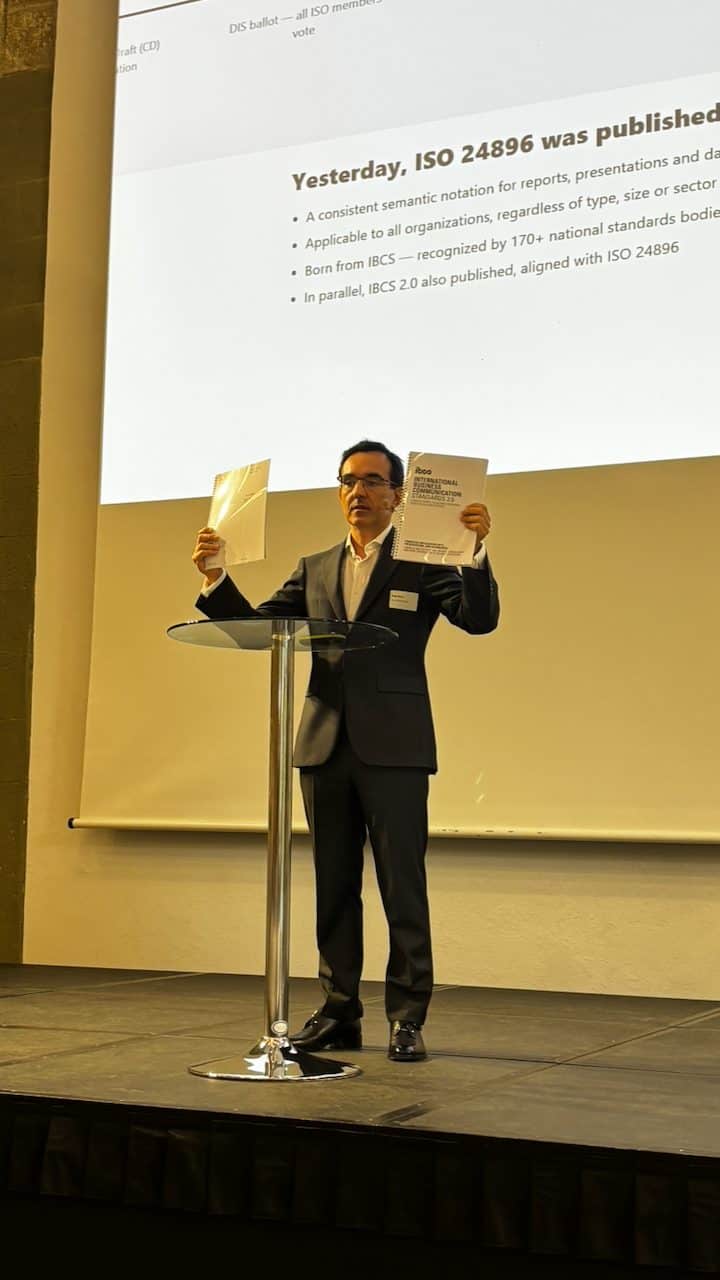
The International Organization for Standardization (ISO) has officially published ISO 24896:2026 — Notation for Business Reporting, the first international standard defining requirements for the use of a semantic notation in business communication.
In parallel, the international IBCS Association (International Business Communication Standards) has released the new version of its methodological framework, IBCS 2.0, whose structure and content have been revised to align with the requirements established by the new ISO standard.
The coincidence of both milestones marks a significant step forward for data-driven business management, providing a common language to communicate economic, financial, operational, and strategic information in a clear, consistent, and easily interpretable way.
Until now, international standards existed to manage processes, services, quality, information security, or business continuity, but none defined how the information used by decision-makers should be represented.
ISO 24896 fills this gap by defining requirements for the use of a coherent notation in business reports, corporate presentations, dashboards, charts, tables, and textual elements.
The standard aims to ensure that the same business concepts are always represented uniformly, reducing ambiguity and enabling faster, more accurate understanding of information.
Its application is particularly relevant for finance, controlling, business intelligence, data analytics, strategic planning, audit, and performance management departments, where the ability to interpret information correctly is essential for decision-making.
The growing digitalisation of organisations has multiplied the volume of information available to executives and analysts. However, having more data does not always translate into better decisions.
Several studies have shown that a significant share of interpretation errors in reports and dashboards arises from the absence of homogeneous criteria for representing information.
ISO 24896 addresses this situation by establishing a common framework that allows the meaning of the data presented to be identified immediately, regardless of who prepared the report or the organisation in which it is used.
Just as other international standards have helped to create common languages for processes, systems, or products, ISO 24896 aims to become the international reference for business communication and management reporting.
The publication of ISO 24896 caps more than three years of international work carried out within ISO/TC 37, the technical committee responsible for standards related to language and terminology.
The project was coordinated by Diego Berea, director of Ozona Consulting, who acted as Project Leader of the initiative from its earliest phases through to the final publication of the standard.
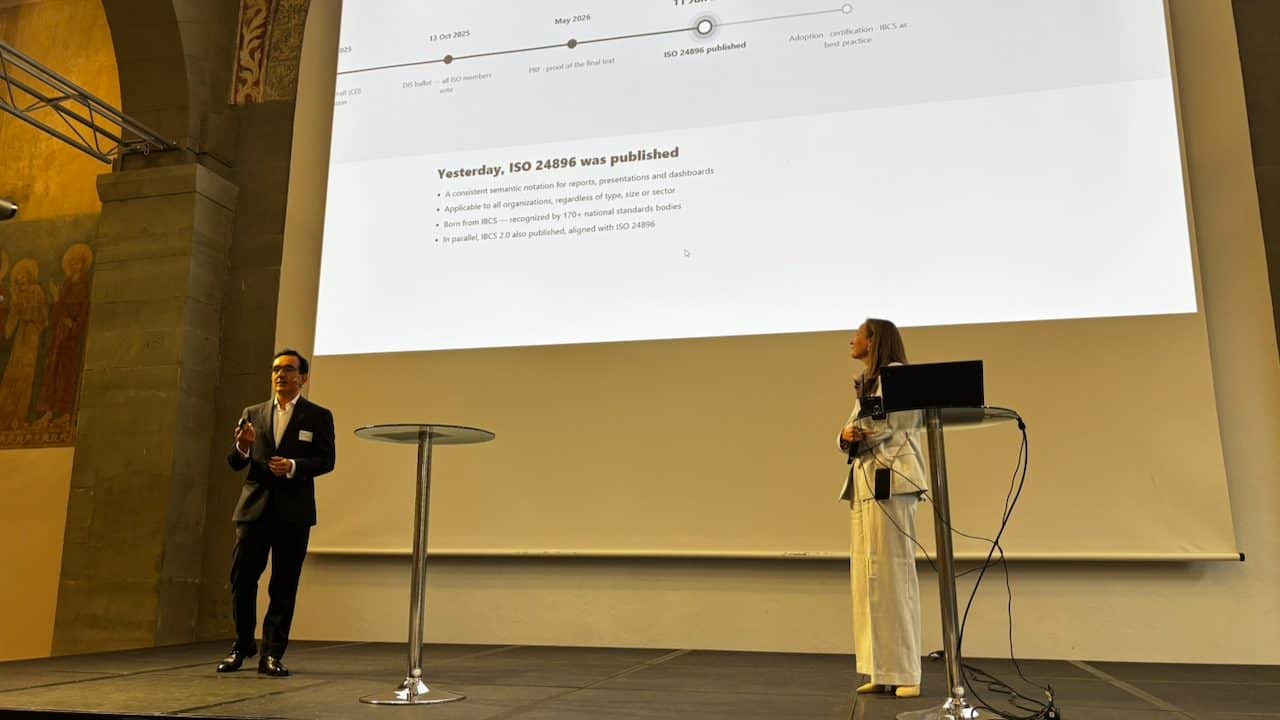
The international editorial team was made up of:
The collaboration between representatives of national standards bodies and international experts enabled a broad consensus to be reached throughout every phase of the standard’s development.
Among the project’s most notable milestones is the unanimous approval of the Draft International Standard (DIS), which received the backing of 100 % of the countries participating in the international ballot.
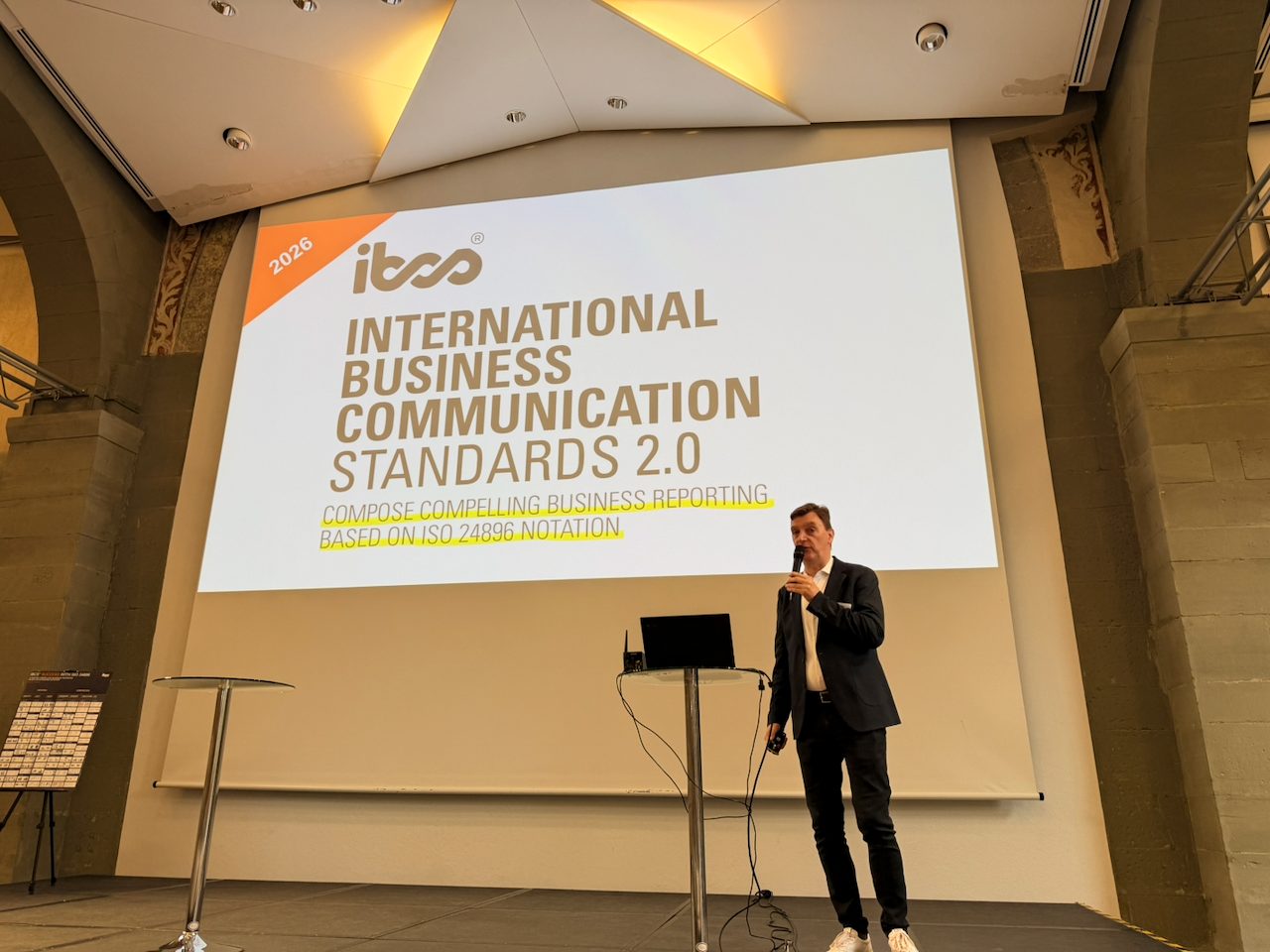
Alongside the publication of the ISO standard, the international IBCS Association has officially launched IBCS 2.0, the most significant update to this business communication framework since its creation.

For years, IBCS has been a benchmark for organisations around the world seeking to improve the effectiveness of their management reports and dashboards through visual and semantic communication rules.
The new version 2.0 aligns its structure with the requirements defined by ISO 24896 and facilitates the practical application of the standard in business environments.
Diego Berea has also been actively involved in the development and drafting of IBCS 2.0, contributing to the alignment process between both frameworks and to the transition of IBCS principles into an international standard recognised by ISO.
The official launch of ISO 24896 and IBCS 2.0 took place during the IBCS Annual Assembly held in Konstanz (Germany), where both documents were presented to international specialists in business communication and reporting.
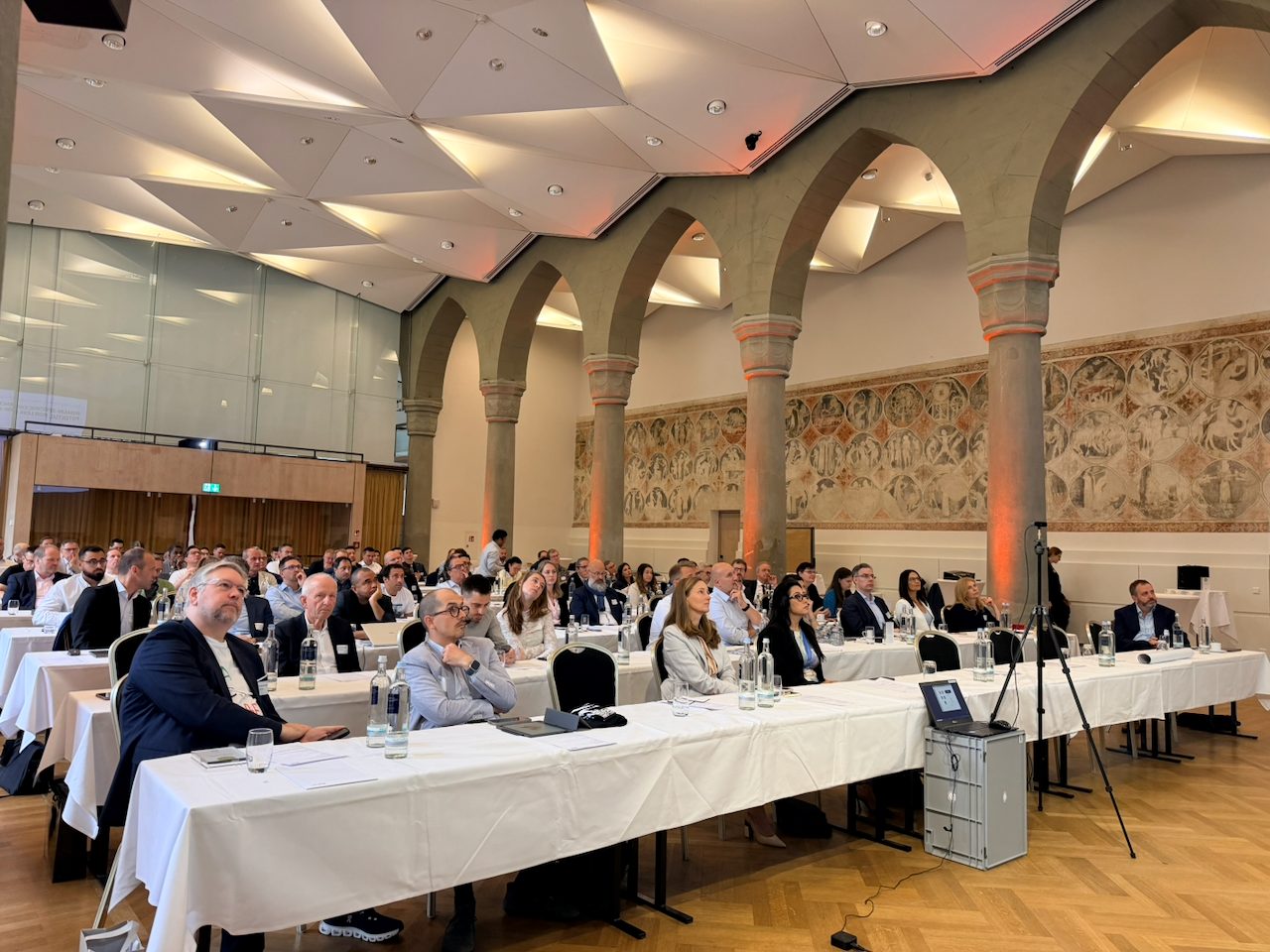
The simultaneous arrival of ISO 24896 and IBCS 2.0 marks a turning point in how organisations can structure and communicate information for decision-making.
The existence of an internationally recognised notation supports the comparability of information, improves the understanding of business messages, and helps executives, analysts, and other stakeholders interpret data more quickly and consistently.
In a context characterised by the growing importance of data governance, business intelligence, and artificial intelligence, having common standards to represent information becomes increasingly relevant.
The participation of Spanish professionals in the leadership of these initiatives also places Spain among the countries that have contributed directly to the development of one of the most significant advances in the international field of business communication in recent years.
Ozona Consulting is a firm specialised in regulatory compliance consulting and organisational improvement. It develops projects in information security, business continuity, service management, and artificial intelligence governance, helping public and private organisations to implement management systems and reference frameworks based on international standards.